The island of Bohol, like much of the
Philippines, is naturally beautiful and historically rich. It is a place of lush jungle crossed by rivers and dotted with waterfalls and caves – a wonderful showcase for the Philippines’ extraordinary biodiversity - and pristine and paradisical white sand beaches that are ideal for relaxing on after a day of adventure.
There are, however, a couple of things that make this particular island unique – one a geological feature, the other a mammalian one.
The
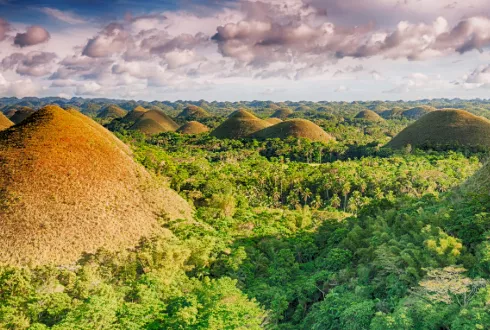
Chocolate Hills rise from Bohol’s interior plains, a fascinating stretch of limestone domed mounds which are green in the wet season and a chocolate brown in dry season. Thought to be leftover ancient coral reefs or volcanic in nature, there are plenty of local legends about how they were formed, including that they were the tears of a heartbroken giant.
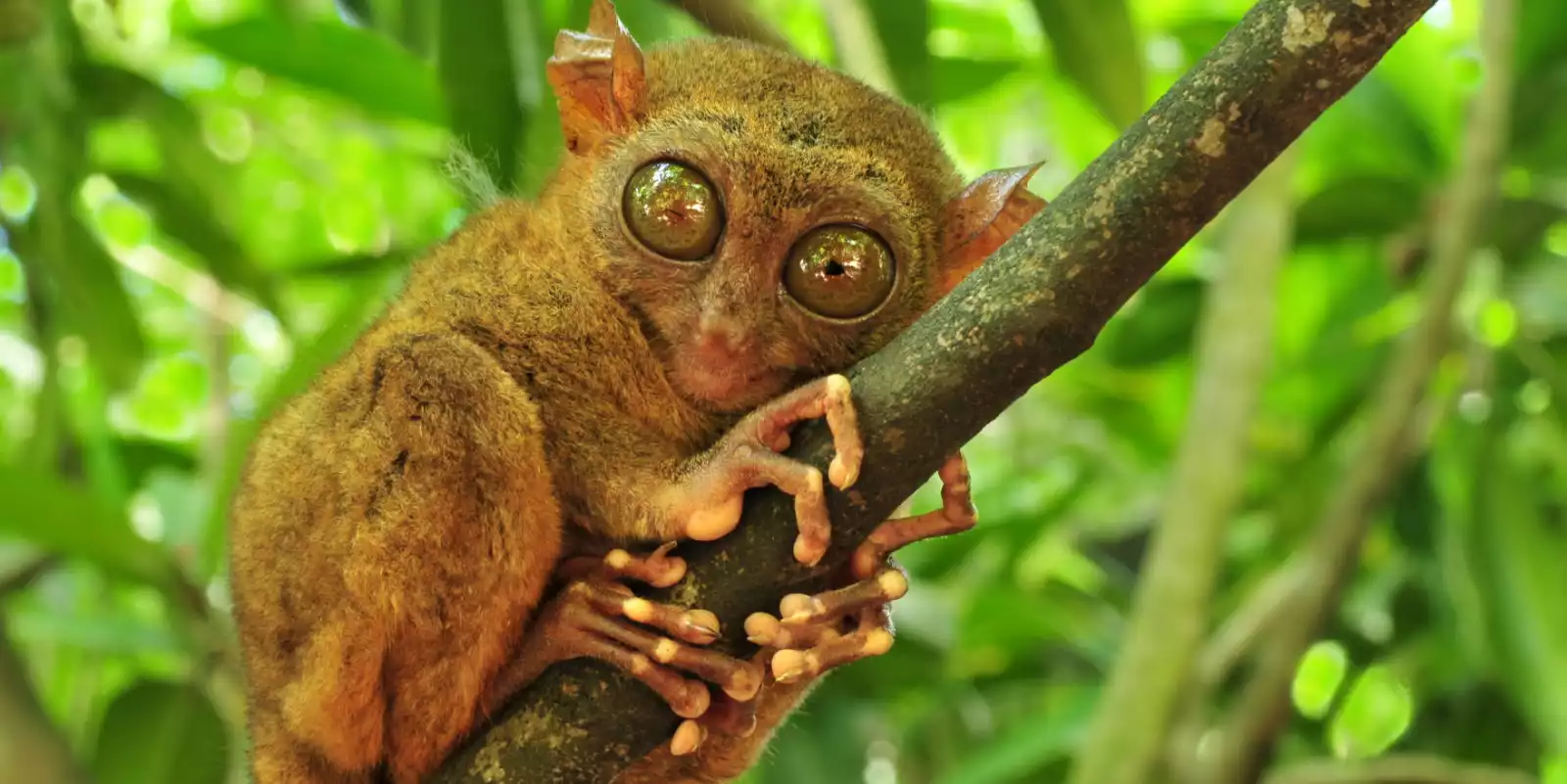
Tarsiers are one of the world’s smallest primates, and indigenous to Bohol. While they are found across
Southeast Asia, the Philippine Tarsier Sanctuary is the very best place to see them. Nocturnal, palm-sized and adverse to loud noises and bright lights, seeing them in the wild is exceptionally difficult, so this wonderful, peaceful sanctuary is the next best thing.
Bohol is also the Philippines’ first UNESCO Global Geopark, designated in 2023. The Geopark protects the unique limestone landscapes like the Chocolate Hills, other geological formations like caves, sinkholes and Jurassic era rocks, the incredible marine biodiversity in the surrounding waters and the island’s indigenous heritage.